TerraX
Telegram
X (Twitter)
Discord

Latest Updates

Click a card to read more →

The Raid: Boss Battles Reforged — update illustration
Update

Aug 20, 2026

The Raid: Boss Battles Reforged

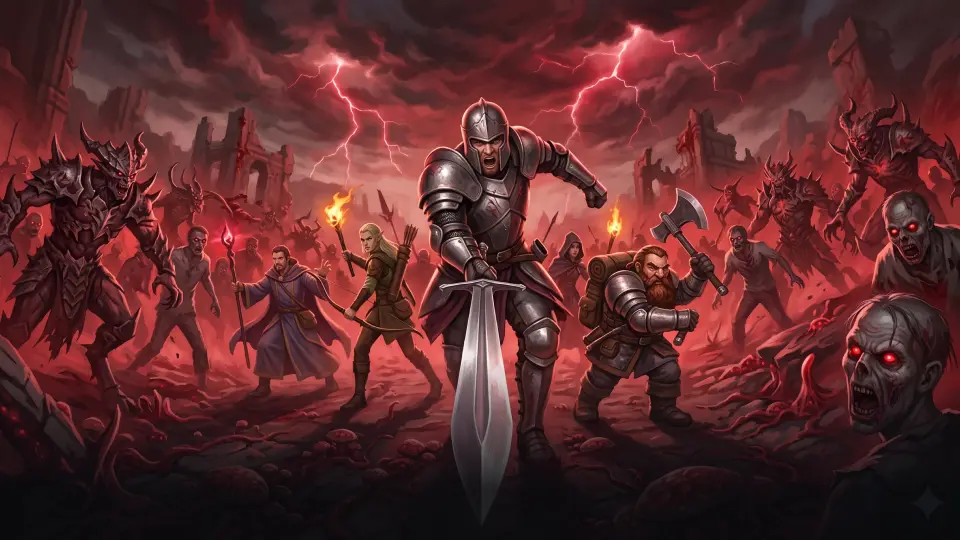
Boss battles are no longer a tapping contest. You send your character in with potions and a hot meal and the fight resolves itself round by round, whether you are watching or not. What you earn comes down to the gear you brought, not how fast your finger is. Pull fallen fighters back onto their feet with your own potions, take titles for what you actually did, and let the whole realm hear when a raid is called.

The Turning Year — update illustration
New

Aug 15, 2026

The Turning Year

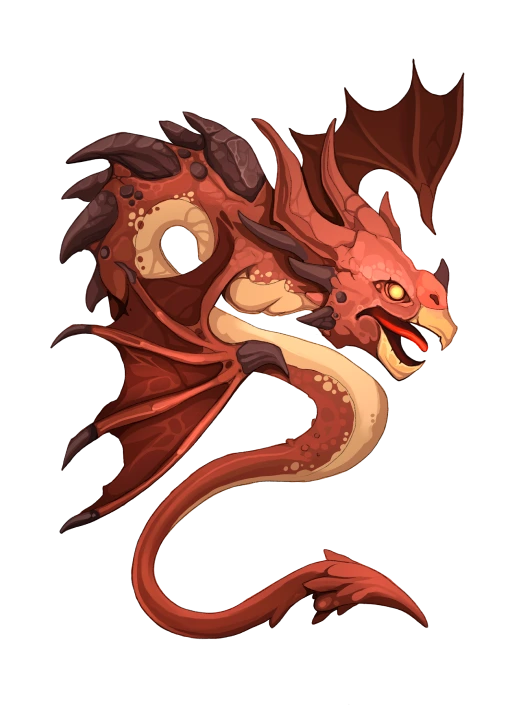
The seasons were scenery. Now they are weather you have to plan around. Four seasons turn with the world clock and each one changes what the land will give you: fish run fat in summer and thin under the frost, the groves swell in autumn, the ore seams run rich in winter. Ashwing has learned to breathe fire, and the caves now hold you for a full hour instead of fifteen minutes.

Brothers in Arms: The Co-op Update — update illustration
New

Aug 13, 2026

Brothers in Arms: The Co-op Update

Fight together for the first time. Combat is rebuilt from the ground up: no more one-on-one duels with a mob while your friend watches, every weapon swings at its own speed, and threat decides who the monster hunts. Form a party of five, share XP, and hunt Ashwing the Dragon, a world mini boss who lands once a day and rewards everyone who fights. Plus goblins in the fields, a one hour clock on the caves, and a long list of fixes.

New

Aug 11, 2026

World Events: The Realm Turns

The world itself now turns. Eight world events reshape the land's bounty while they hold: floods that drown the coal seams, gold veins that run double rich, forests that surge, shoals that empty. Every event gives with one hand and takes with the other, announced by a warning horn across the whole server and shown on your character panel while it lasts.

The Ranch: Hatch, Breed, Trade — update illustration
New

Aug 10, 2026

The Ranch: Hatch, Breed, Trade

A whole new system. Sixteen beasts across four kins, eggs that drop from everything you already play, pens that produce daily, a six-stat breeding line with real inheritance, rarity climbing through ascension, and a marketplace where a perfect bloodline sells for hundreds. Every one of the six stats now does something real — your follower gives you speed, crits, loot luck and evasion, and comes with you into caves. Breeding costs energy and time instead of dollars.

The Forge Comes to the World — update illustration
Update

Jul 29, 2026

The Forge Comes to the World

Forging, cooking, scrapping and repairing now happen at the blacksmith out in the world instead of on a menu screen. Plus a much bigger crafting layout, a craft amount slider, and a clear look at the XP and levels you are about to earn.

Shards of the Seal: A Clearing-Out Update — update illustration
Update

Jun 14, 2026

Shards of the Seal: A Clearing-Out Update

A guided story quest line led by Aldric and the townsfolk, the new PvP Arena with stakes and ranked MMR, and a wave of marketplace and world polish. The last big update before we move the economy to USDT.

Auction House — Buy Orders & Market Polish — update illustration
New

May 8, 2026

Auction House — Buy Orders & Market Polish

Place buy orders, auto-match against live listings, partial fills, best-bid display on every item, balance bars in every trade modal — the marketplace is now a true two-sided economy.

Caves & Combat — A New Frontier — update illustration
New

May 4, 2026

Caves & Combat — A New Frontier

A brand-new Cave System opens below the world. Five new monsters, a reworked combat system (crit, accuracy & evasion), the Bone Ritual Table, new consumables, a Karma system, Golem Crystal seasonal rewards, and a full Guild overhaul.

Bug Fixes, Balance & Quality of Life — update illustration
Fix

Apr 21, 2026

Bug Fixes, Balance & Quality of Life

King's Palace refresh, co-op dungeon fixes, fishing & harpoon polish, story and market improvements, plus a long list of stability and iOS map fixes.

Fishing Update — Oceans & Leviathans — update illustration
New

Apr 15, 2026

Fishing Update — Oceans & Leviathans

New waters, reworked Leviathans, pearls, fishing merchant, Fish Codex, fishing mastery skill, a new legendary fish, hero editor and more.

Skin Store — Stand Out in TerraX — update illustration
Event

Apr 7, 2026

Skin Store — Stand Out in TerraX

Premium character skins launched: Celestarch, Assassin, Wisp, Fire Mage and Pirate Skeleton.

Marketplace Open for All — update illustration
Update

Apr 6, 2026

Marketplace Open for All

The open marketplace is now live for every player, plus a batch of quality-of-life improvements.

World Map, Workers & MMO Beta — update illustration
New

Apr 1, 2026

World Map, Workers & MMO Beta

The tile-based MMO world, workers, character creation and the first wave of shared-world gameplay.

Easter Event — MMO Egg Hunt — update illustration
Event

Apr 1, 2026

Easter Event — MMO Egg Hunt

Seasonal egg hunt across the world map with limited-time rewards and event currency.

Guild Wars — Siege the Capital — update illustration
New

Feb 16, 2026

Guild Wars — Siege the Capital

Full guild siege warfare: rally your faction, push the gates and claim territory for your banner.

Latest Patch Notes — The Raid: Boss Battles Reforged

· Aug 20, 2026

Shared Worlds, Real Stakes

Online Multiplayer RPG Games Where Other Players Are the Point

A multiplayer RPG is only as good as what the other players change. This guide judges the genre on exactly that: shared economies, co-op that needs coordination, guild wars with stakes, and worlds where a stranger's decision can reach you. Here is what holds up in 2026, and an honest account of how TerraX does multiplayer.

See What Players Trade

1

Shared World Per Server

2-5

Players Per Co-op Dungeon

10%

Of Revenue To Guild Pools

Plenty of games call themselves multiplayer because a leaderboard exists. That is not what anyone typing "online multiplayer rpg games" into a search box is looking for. The real thing is rarer and unmistakable: a world where the other players change your game, where the sword you carry was forged by someone with a name, where the boss falls because forty strangers decided tonight was the night, and where your guild's war matters to people who were not in it.

This page is about that real thing: which multiplayer RPGs still deliver it in 2026, what separates genuine multiplayer design from a lobby with chat, and a transparent look at how TerraX, our own browser MMORPG, builds every one of its systems around other people.

What Multiplayer Actually Adds to an RPG

Strip the marketing and multiplayer contributes exactly four things to an RPG, and a game can be judged by how many it takes seriously. Economy: when other players set prices, trading becomes a skill instead of a vending machine. Cooperation: content tuned so that coordination, not just combined damage, is the requirement. Competition: stakes against people who adapt, from duels to territory. Presence: the quiet, constant fact of a populated world, someone fishing across the river who does not know you exist.

Most modern "multiplayer" RPGs deliver presence and nothing else: everyone soloing the same instanced content side by side. The games worth your time, and the ones on this page, are built so the four pillars feed each other. A player economy gives cooperation a payoff, competition gives the economy stakes, and presence turns all of it into stories.

How TerraX Does Multiplayer, System by System

The shared open world of TerraX where every player walks the same map

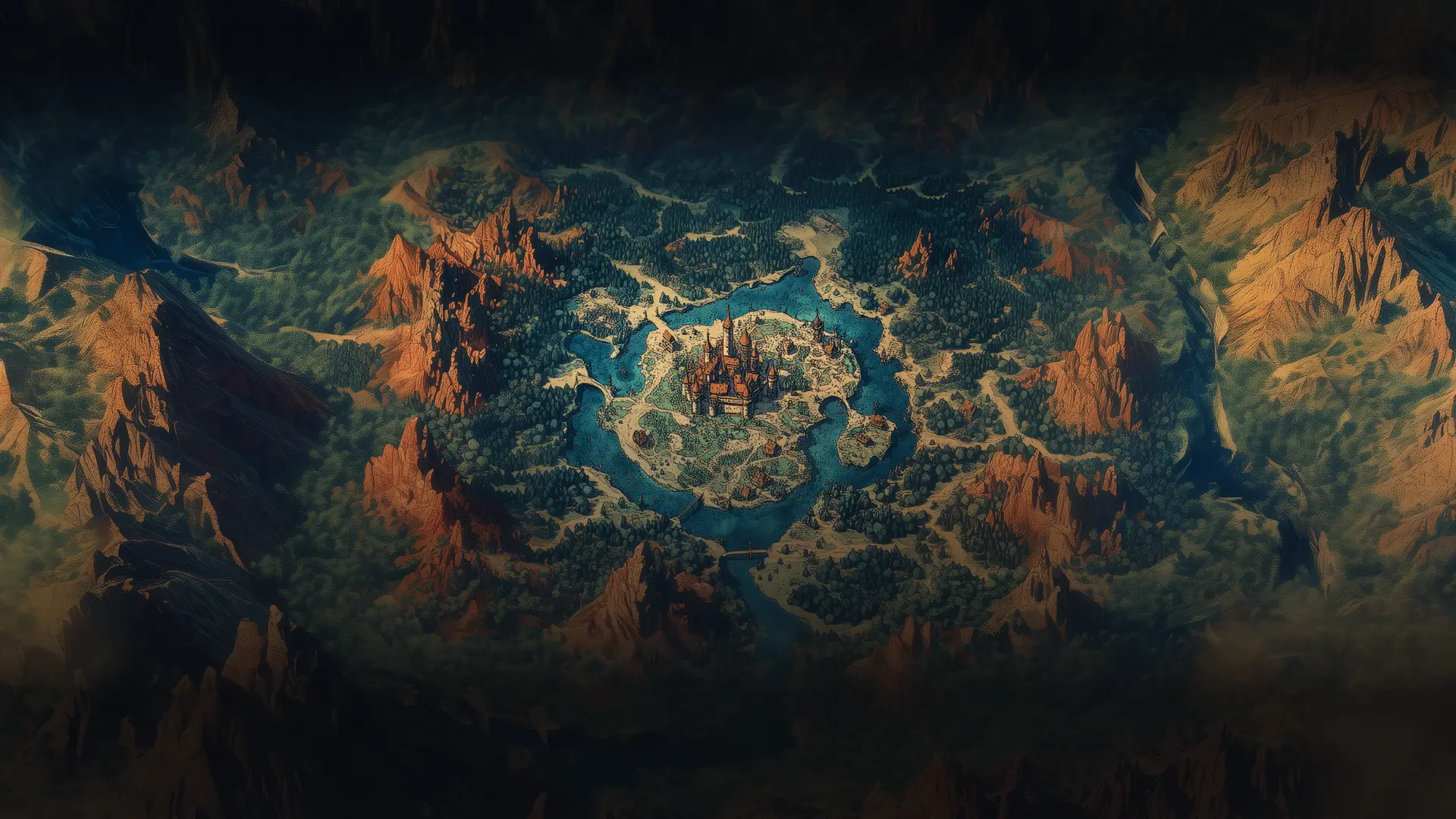
TerraX is a browser MMORPG with one shared world: the map you walk is the map everyone walks, ore nodes are a server-wide supply that respawns on a shared clock, and the player fishing beside you is a person. On top of that presence, every major system runs through other players.

The economy is entirely player-to-player: every listing on the marketplace is another player's stock, priced by them in USDT, with fees and a price floor keeping it honest. Miners genuinely supply smiths, anglers genuinely supply raid cooks, and you can watch the whole flow on the public market feed. Cooperation runs from 2-5 player co-op guild dungeons, live 8-minute sessions where the party fights together in real time, up to server-wide world boss raids where the prize pool is split by damage and a downed stranger can be revived by a teammate spending one of their own potions on you.

Competition is layered: ranked PvP duels with optional wagers from $0.10 to $100, a monthly guild war where guilds train troops and lay siege to the Capital, and fishing tournaments with leaderboards. And the stakes are real, because guilds that hold territory earn a share of a pool funded by 10% of game revenue. The guild war guide covers the whole siege system, troops and all.

The Multiplayer RPG Field in 2026, Honestly Rated

RuneScape, in both its modern and Old School forms, is still the deepest multiplayer economy in gaming: the Grand Exchange is a genuine market and the skill economy has survived two decades of players trying to break it. The catch: it is a client download now, and the free tier fences off much of the world.

Torn proves multiplayer needs no graphics at all: factions, organised crime, a stock market and a political layer, all text, all driven by tens of thousands of real people. The catch: the timescale is months, not evenings.

Drakensang Online offers proper action-RPG co-op, cursor-driven combat against gothic bosses with friends. The catch: its browser days are effectively over and the endgame leans on the shop.

The big-client MMORPGs, the World of Warcrafts and Final Fantasy XIVs, remain the genre's cathedrals, and nothing browser-based replaces a 24-player raid tier. We would simply note what they cost: a download measured in tens of gigabytes, a subscription, and a machine that can run them. The browser tier of the genre exists for everyone for whom one of those three is a dealbreaker, and at its best it trades spectacle for economy depth and accessibility rather than for quality.

Co-op for People Who Cannot Schedule Raid Night

A TerraX dungeon boss guarding its floor

The classic MMO co-op problem is the calendar. Raid content that needs twenty people online simultaneously filters the playerbase down to those who can treat a game like a standing meeting. Browser-era multiplayer design solves it with asynchronous stakes: shared goals that everyone contributes to on their own clock.

TerraX's world boss is the clearest example. A raid opens, and for the next stretch of hours every player on the server can send their character in whenever they happen to be online. The fight resolves on the server tick by tick whether you are watching or not, the boss's health scales with turnout, and if it falls, everyone who fought splits the revenue-funded pool by damage dealt. Forty people cooperated; nobody coordinated a calendar. The live 2-5 player guild dungeons exist for the nights you do have friends online, and the dungeon guide covers both shapes.

The Player Economy Is the Real Endgame

TerraX marketplace listings priced by players in USDT

Ask veterans of any long-lived multiplayer RPG where the game actually lives after the story ends, and the answer is always the same: the market. EVE Online is a spreadsheet with a universe attached. RuneScape's Grand Exchange outlasted every content update. The economy is the one piece of content other players write daily, forever.

TerraX leans into this harder than most, because its marketplace is denominated in USDT, a dollar stablecoin, and balances withdraw to your own wallet from $10. That single design choice changes the multiplayer texture of everything: the beast you spent a fortnight breeding sells to a real buyer for real value, guild war victories pay treasuries from actual revenue, and undercutting a rival smith is a decision with a number on it. If the trading layer is what pulls you into multiplayer games, start with the market guide and the honest earning breakdown.

Price It FirstForge Calculator & Craft Tracker
Undercutting a rival smith starts with knowing your own cost. Expand any craft into raw materials, chain time and XP before you set a listing price.
Open Forge Calculator

Guilds That Are Governments, Not Chat Rooms

A guild siege on the Capital in TerraX

In most modern RPGs a guild is a chat channel with a tabard. The multiplayer games that create real stories give guilds three things: shared property, collective goals and something to lose. TerraX guilds bank resources together, research shared bonuses, run members-only co-op dungeons from guild level 5, and once a month decide whether to spend their treasury training troops for a siege on the Capital.

Holding the Capital is not a cosmetic crown: the holder earns from the guild pool that 10% of all game revenue feeds. That is enough value to make wars worth fighting, diplomacy worth conducting and betrayals worth remembering. It is the oldest lesson in multiplayer design, learned from a thousand MUD guild dramas: give groups stakes, and the players will write better stories than the writers.

Can You Play a Multiplayer RPG Solo? Honestly, Yes

A large share of multiplayer RPG players are, by temperament, solo players who like company at a distance, and good multiplayer design serves them on purpose. The economy is the solo player's multiplayer: you can spend a whole TerraX career mining, smelting and trading without ever joining a party, and every listing you post still touches dozens of other players' games. Presence does the rest; a populated world feels different to an empty one even when you never say a word in chat.

The systems that respect solo play have a common shape: contribution without coordination. TerraX's world boss is the model case, since a solo player deploys alone, fights alone on the server's clock, and still shares a pool with forty strangers. Fishing tournaments rank individual catches. Idle dungeons are entirely yours. The only content that genuinely requires a group is the 2-5 player live guild dungeon and the guild war itself, and both are opt-in rather than gates on progression. The honest rule for choosing a multiplayer RPG as a solo player: check whether group content is a door or a wall. In the games worth playing, it is a door you can open later, once the world has quietly talked you into it.

Plan It YourselfBuild Planner & Stat Calculator
Solo or grouped, the boss pool splits by damage dealt. Assemble a loadout, read the stat sheet and see the raid projection before the next server-wide fight.
Open Build Planner

Getting Into a Multiplayer RPG in 2026

Whichever game you choose, the multiplayer layer rewards the same first moves. Learn the economy before you need it: prices teach you what the world values. Join a guild or faction earlier than feels natural: every one of these games is designed so that organised groups eat solo players, and the fastest way to learn is to be adopted. Show up for the server-wide events, because that is where a community stops being usernames.

In TerraX the on-ramp is deliberately short: a five-minute browser signup, two free workers, guided quests that carry you to roughly level 25, and a world boss you can profitably join in your first week, because the raid pays every point of damage a share and drops are weighted so smaller contributors keep a real chance. The first-week guide maps the whole road, including when to join a guild and which fights to show up for.
Questions Players Actually Ask

What are the best online multiplayer RPG games in 2026?

For browser play with a real player economy, TerraX. For the deepest trading economy in gaming, RuneScape. For text-based factional depth, Torn. For browser-born action co-op, Drakensang Online. For traditional big-budget raiding, the client MMORPGs like Final Fantasy XIV remain unmatched if you can commit the download, subscription and schedule.
Yes. TerraX runs its entire MMORPG (shared world, co-op dungeons, guild wars, world bosses, player market) in desktop and mobile browsers with no install. Torn and Kingdom of Loathing are browser-native as well. Most graphical MMORPGs, including RuneScape and Drakensang Online, now effectively require clients.
Four tests: do other players set prices (economy), does group content require coordination rather than just more damage (co-op), are there stakes against people who adapt (competition), and does the world feel populated (presence)? Games that pass one test are online. Games that pass all four are multiplayer.
Yes, in two shapes. Live co-op: guild dungeons for 2 to 5 players in real-time 8-minute sessions, available from guild level 5. Asynchronous co-op: server-wide world boss raids where everyone deploys on their own schedule, the fight resolves on the server, and the prize pool splits by damage dealt with a 15% bonus for surviving.
That is exactly the niche browser MMOs fill. TerraX's biggest cooperative moments (world boss raids, guild sieges) are asynchronous: you contribute when you are online and the outcome resolves on the server. Idle expeditions keep you progressing between sessions, so a casual player is never structurally behind a scheduled one, only slower.
The historic references are EVE Online and RuneScape's Grand Exchange. In the browser tier, Torn and TerraX. TerraX's marketplace is fully player-to-player, denominated in the USDT stablecoin, and publicly viewable at market.terrax.win without an account, which makes it one of the few game economies you can audit before joining.
Guilds train troops, build siege equipment and attack the Capital on a monthly cadence. The guild that holds the Capital earns from a pool fed by 10% of all game revenue, paid to its treasury and members. Wars therefore have real stakes, which is what makes guild diplomacy and rivalries matter.
Completely. Accounts are free, there is no download to coordinate, and a group of friends can be in the same shared world within five minutes of deciding to try it. Founding a guild costs $49 as a treasury commitment, but joining one is free by default, and all co-op content is reachable without spending.

Go Deeper: Player Guides

16 min read

Boss Battles Reforged: How to Actually Earn From the Raid

The tap contest is over. The raid now resolves on the server round by round from a frozen copy of your stats, and your payout is decided by the gear, potions and meal you brought. Every number that matters: swing rates, the potion refund, brace, the damage split, drop tables and the artefacts that gate endgame crafting.

Read the entry →

6 min read

Dungeons: Keys, Floors and the Monsters Between You and the Loot

How TerraX dungeons actually work: key costs per difficulty, what lives on each floor, every boss from the Depth Guard to the Eldritch Phantom, idle dungeon expeditions, and the world bosses with shared prize pools.

Read the entry →

12 min read

Guild Wars Are Here: Troops, Sieges & the Capital

Everything you need to know about TerraX's new guild war system. Train troops, declare war, siege the Capital, and earn a share of 10% of all game revenue.

Read the entry →

Your First Expedition Is Free

No download, no deposit, no game token. Connect a wallet or a social login, take your two free workers, and see the whole economy for yourself in the next five minutes.
Want proof first? Check live marketplace prices or read player reviews.