






Quest log: on this page
Dungeons are where TerraX stops being a tycoon game and starts being a fight. They are the only source of an entire tier of crafting materials, they drop the gems and runes that gate the best gear, and the hardest difficulties multiply rare drop rates by up to 25 times. This guide covers what a run actually costs, what is waiting on each floor, every boss in the rotation, and how idle dungeon expeditions and world bosses fit into the picture.
Keys, Energy and What a Run Costs
Every dungeon entry costs 25 energy plus Dungeon Keys, and the key cost scales with difficulty: Easy takes 1 key, Medium 2, Hard 4, Legendary 6 and Nightmare 10. Keys drop from world bosses and can be bought in the store, so they are a real resource decision. Burning 10 keys on a Nightmare run only makes sense if your gear can finish it, because a wipe spends the keys either way.
The Floors and Their Monsters
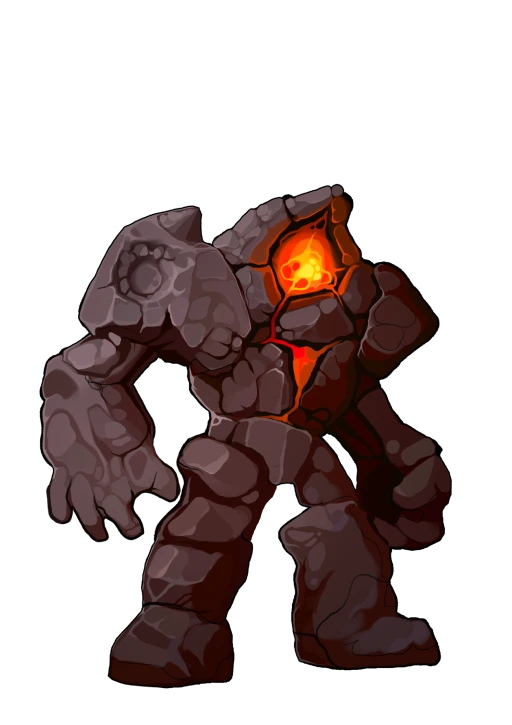
An active dungeon run gives you 15 minutes to clear 4 floors, and each floor has its own family of monsters and its own boss. Floor one belongs to the goblins: thieves, guards and shamans that drop Goblin Hide. Floor two is undead and constructs, where Terrorborn Wraiths and Bloodshale Golems drop Carapace. Floor three turns to swamp and rot, with Oozeblight Spawn and Fenwraith Lurkers dropping Druid Flesh. Floor four is abyssal territory: Soulrot Liches, Rotting Dreadknights and Boneclaw Revenants guarding Soul Eyes. Monster counts climb with difficulty, from 15 per floor on Easy up to 40 on Legendary's deepest floors.
The Bosses
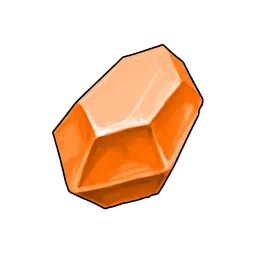
Each floor ends in a boss, and they escalate fast. The Depth Guard sits at 300 HP with a shield and a 35% chance to drop a pile of Goblin Hide. The Doomcarver Fiend doubles that at 600 HP and opens up Polished gem drops. Orin Rootcaller jumps to 1,500 HP and guards Rough Sapphires and Diamonds. The Eldritch Phantom is the wall: 3,000 HP, hits for 25, and is the only monster in the game with a chance at Dragon Runes and Eldritch Runes, at 0.1% each. Those runes gate some of the best crafting in the game, which is why endgame players run floor four on repeat.
What to Bring: The Pre-Run Ritual
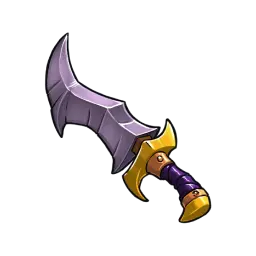
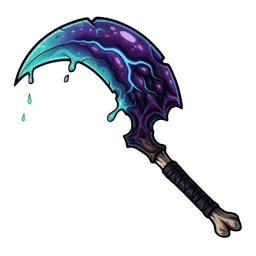
Your weapon decides how fast floors die. The starter Caveman Club hits for 2; a forged Shortsword hits for 14, a Druid Staff for 38, and the endgame Obsidian Greataxe for 110. That spread is the difference between timing out on floor two and clearing Nightmare with minutes to spare. Armour matters just as much, because monster hits above the damage threshold start eating your gear's durability along with your HP.
Then there is the buff ritual the veterans never skip. An Enhanced Fish Fillet Stew adds 15% weapon damage for 30 minutes, which conveniently covers two full active runs. The Legendary Supreme Dish pushes that to 30% for a full hour. Carry a Health Potion for the floor-four boss, and watch your pack weight: you have 20 encumbrance slots, and equipment, potions and water all count against them. A dungeon run you prepared for and a dungeon run you wandered into are two different games.
Idle Dungeons: Send the Workers In
If you would rather not fight manually, idle dungeon expeditions let dungeon-specialized workers clear floors for you at 30 minutes per floor, costing 5 energy and 2 water per floor. Difficulty changes both length and reward: Easy runs 4 floors at a 0.8 loot multiplier, while Nightmare runs 8 floors at 3.2 times loot, XP and durability wear. The rare drop math is where the hard difficulties earn their keep. Legendary multiplies base rare drop rates by 10, and Nightmare by 25, with epic-rarity items getting their own 5x and 12x overrides. Bring dungeon specialists: their combat HP rolls between 75 and 180 and their dungeon yield stat exists for exactly this.
Choosing Your Difficulty: The Key Economy
Difficulty is an investment decision, because keys are the scarce input. The floor payouts scale hard: floor one alone pays 250 Coal on Easy and 2,500 on Nightmare, and every floor's guaranteed material count roughly doubles or triples across the difficulty range. But the real curve is in the rare drops. Easy and Medium pay materials. Legendary and Nightmare pay the 10x and 25x rare multipliers, which is where gems, runes and epic gear actually come from. The rule of thumb that falls out of the numbers: run the highest difficulty you can finish reliably, not the highest you can survive occasionally. A completed Hard run beats a failed Nightmare every time, because dead runs still spend the keys.
Co-op: Bring Your Guild
Dungeons are also a team sport. A Guild Contract, forged from 500 Coal and 10 Copper Ingots, opens a co-op dungeon for your guildmates: 50 energy to enter, waves of monsters, and a 25% chance at rune drops that guilds need for their own progression. Guild dungeons proper unlock at guild level 5 and run 8-minute sessions for 2 to 5 players, with difficulty ramping every couple of minutes until the room is a wall of monsters. The rewards feed the guild treasury and the runes feed guild levels, which is how a group of mid-strength players ends up mattering more than any single whale.
World Bosses: The Shared Fights
Above the dungeons sit the world bosses, global raid events the whole server fights together: Thornaxis the Ravager, Syrak the Abyssal Wyrm, Ignaroth the Molten Colossus and Vorthuun the Cyclone Eye. Joining a battle costs 100 energy, and the top three damage dealers take 20%, 15% and 10% of the reward pool. The bosses drop the artefacts used in epic and legendary weapon crafting, plus batches of Dungeon Keys and Supply Lootboxes. Thornaxis alone pays out 100 Supply Lootboxes and 40 Dungeon Keys. Artefacts are not farmable anywhere else, so world boss events are the only door to the top of the crafting tree.
Where to Start
Run Easy actives until you know the floor rhythm, then move your key spend to the highest difficulty you can clear without dying. Put your first Epic dungeon worker on idle Nightmare runs as soon as its HP roll can survive them. And never skip a world boss window: even outside the top three, the participation drops fund your next batch of keys.
TerraX Team
The chroniclers of TerraX: builders and storytellers of the mines, forges and battlefields. Follow along in the game itself.