


Quest log: on this page
TerraX is a blockchain-based mining and RPG game where what you do in the game ties straight into real value. You mine ores, forge weapons and armour, fight in global boss battles and PvP, fish, run dungeons, and trade with other players. The in-game currency is USDT — you can withdraw it to your wallet. No fake points. No vague “rewards.” This guide walks you through how to start and how the main systems actually work.
Here's everything you need to know to begin your journey.
Connect Your Wallet
Your first step is connecting a Web3 wallet. TerraX supports MetaMask, WalletConnect, and Coinbase Wallet, among others. You sign in with your wallet — we don't hold your keys. Once you're in, you land on the World Map. New players get an onboarding tutorial that walks you through the map and the main activities. When you finish it, you can claim starter rewards. Don't skip that step; the starter gear and items set you up for mining and your first fights.
The World Map
The World Map is your hub. From here you reach every major part of the game: the Mine Shaft for mining, the Boss Arena for global raids, the Capital (for guild wars and sieges), Explore (mining, fishing, harvesting), Processing (forge and cooking), the Market, and your Character. Each zone is a click away. The map also shows live info — for example, when a boss battle is active, the arena zone reflects that so you know when to jump in.
Mining
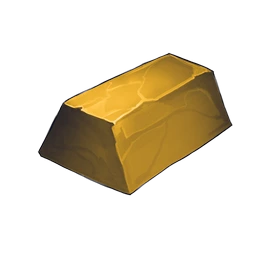
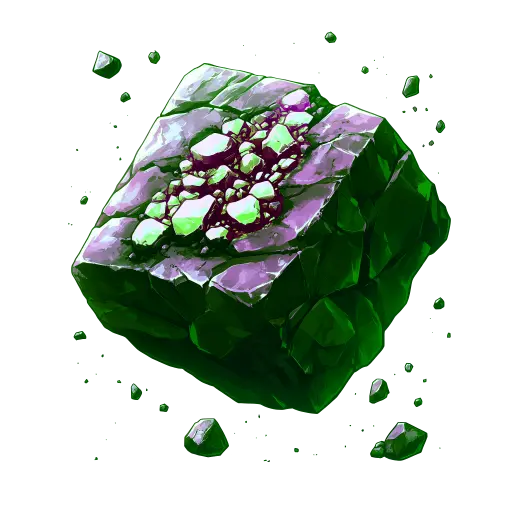
Mining is the backbone of the economy. You go to the Mine Shaft (or Explore for mining), and you break ores by dealing damage to them. Your equipped pickaxe determines what you can mine and how fast you break rocks. Better tools mine faster and open up rarer ores. Ores have different rarities and tiers and drop materials used in forging and cooking. There's a short cooldown between each ore you complete so the game stays fair and bot-resistant. When you finish an ore, you get materials (and sometimes other drops) into your inventory. Those materials are what you'll use at the Forge and what other players buy on the Market.
The Forge
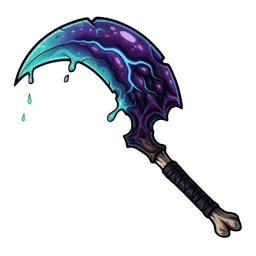
At the Forge you turn materials into gear. You can craft weapons, tools, armour (helmet, breastplate, gauntlets, sabatons), shields, rings, amulets, artefacts, and more. Each item has a recipe — specific materials and quantities. You start a craft in a forge slot; it runs for a set time. You can own up to five forge slots, so up to five items can cook at once. When a job finishes, you claim the item and it goes to your inventory. Better gear means better performance in battle and in PvP, so upgrading your equipment is a core loop. You can also pay to speed up forge jobs if you want to finish sooner.
Cooking
Cooking works like the Forge but for food. You have cooking stations and recipes that use ingredients (often from fishing or the market). Food gives temporary buffs — for example bonuses to damage or mining speed for a period. Cooked food is consumable and tradeable. It's worth stocking up before big battles or long mining sessions so you can push your efficiency further.
Global Boss Battles
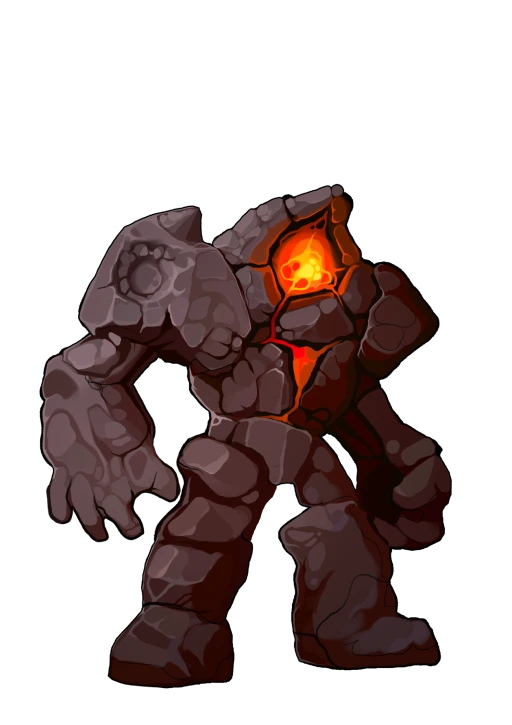
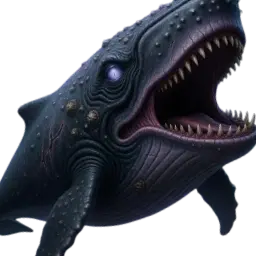
Boss battles are server-wide events. When one is live, everyone can join and deal damage to a shared boss. Your equipped weapon and stats determine how much damage you do. The boss has a big health pool; when the community brings it down before the timer ends, the event succeeds. A portion of game revenue goes into a weekly boss reward pool, and that pool is split among participants based on how much damage they dealt. So the more you contribute (and the better your gear), the larger your share. There's a leaderboard so you can see where you stand. Energy is used when you deal damage, so you have to balance battle participation with other activities that also cost energy.
PvP
PvP is turn-based combat against other players. You can create a lobby and invite others or use quick match to get paired with someone of similar MMR (matchmaking rating). Each round you choose actions: light attack, heavy attack, block, heal, parry, and more. Your weapon damage, armour, and stats affect the outcome. Matches run for a set number of rounds or until one player's health is gone. Optionally you can wagerUSDT on a match; the winner takes the pot (minus a small tax). PvP is a direct way to test your build and earn more USDT if you're good.
Dungeons
Dungeons are solo (for now) challenge runs. You pick a difficulty — Easy, Medium, Hard, or Legendary — and enter a multi-floor dungeon. Each floor has monsters; you fight through them. Your health and gear matter. Clearing floors gives rewards (items and currency). Deeper progress means better rewards. It costs energy to enter, so dungeons are a way to spend energy for focused, high-risk PvE content. If you're geared up and want a change from mining and boss battles, dungeons are where you go.
Fishing
Fishing is a separate gathering loop. You equip a rod, and optionally bait and lure. You get a fishing pool of fish you can catch; your rod affects what shows up. When you cast and catch, you play a small timing game. Success adds the fish to your inventory. Fish are used in cooking recipes and can be sold on the market. There are fishing leaderboards and weekly tournaments if you want to compete. It's a chill way to gather ingredients and earn without grinding the mine.
The Market
The Market is player-driven. You list items you don't need (materials, gear, food, fish) for USDT. Other players browse and buy. When someone buys your listing, you get the USDT and the item leaves your inventory. Listings have a duration; when they expire unsold, the item returns to you. There's a fee to cancel early. The market uses a lock during purchase so two people can't buy the same listing at once. Checking prices before you mine or craft helps you decide what's worth your time. If you're short on materials, buying from others can speed up your forging and cooking.
Character and Inventory
Your character screen shows your equipped gear (weapon, tool, helmet, breastplate, gauntlets, sabatons, ring, amulet, shield, rod, hatchet, etc.) and your stats. Equipping better items improves your damage, defense, and other stats used in battle and PvP. Inventory holds everything you've mined, forged, caught, or bought. You can equip from inventory and list items on the market. Managing inventory and keeping a clear picture of what you're wearing is essential as you progress.
Guilds and the Capital
Guilds let you team up with other players. You can join a guild, contribute to a shared bank, and participate in guild content. The Capital is a special zone on the World Map. Guilds can declare war whenever its shield is down, march on the Capital, and fight sieges. The guild that holds the Capital earns a share of all game revenue, paid out daily in USDT. So guild wars aren't just for bragging rights — they're tied to real payouts. If you're into strategy and coordination, finding a guild and getting involved in Capital sieges is a major part of the late game.
USDT and Withdrawals
USDT is the in-game currency. You earn it from selling on the market, from boss battle rewards, from PvP wagers, from dungeon and quest rewards, and from guild Capital payouts if your guild holds it. Your balance is stored on your account. When you're ready, you can request a withdrawal. Withdrawals moveUSDT from your game balance to your wallet via the official process; there's a cooldown between withdrawals so the system stays secure. Deposits work the other way: you send USDT to the game's contract and, after verification, it's credited to your in-game balance. So your progress and activity translate into something you can actually take out.
Energy and Daily Play
Many actions cost energy: mining completions, dealing damage in boss battles, starting forge jobs, entering dungeons, fishing, and more. Energy refills over time (and can be affected by items or subscriptions). That means you can't infinitely grind in one sitting — you make choices about whether to spend energy on mining, battle, dungeons, or fishing. Daily play and quests can reward you with more resources and keep you moving forward. Plan around your energy so you get the most out of each session.
What to Do First
Connect your wallet and complete the onboarding tutorial so you know where everything is on the World Map.
Claim your starter rewards. Use the starter tool and weapon to mine and to join your first boss battle.
Mine regularly to build up materials, then use the Forge to craft better gear. Equip it from your Character screen.
Sell surplus materials (or items you don't need) on the Market to earn USDT and free inventory space.
Join global boss battles when they're live. Even small damage contributions add up and get you into the reward pool.
Try PvP when you have a decent weapon and armour. Quick match is the fastest way to get a game.
Unlock and use cooking for buffs before big mining or battle sessions.
Consider joining a guild once you're comfortable with the basics. Guild content and Capital wars offer some of the highest stakes and payouts.
You're Ready
TerraX doesn't hide the ball. You mine, you craft, you fight, you trade — and the value you create flows into USDT that you can withdraw. Start with the World Map and the tutorial, claim your starter rewards, then focus on mining and forging so your character gets stronger. From there, boss battles, PvP, dungeons, fishing, and guild wars are all ways to go deeper and earn more. Good luck, and welcome to TerraX.
TerraX Team
The chroniclers of TerraX: builders and storytellers of the mines, forges and battlefields. Follow along in the game itself.